
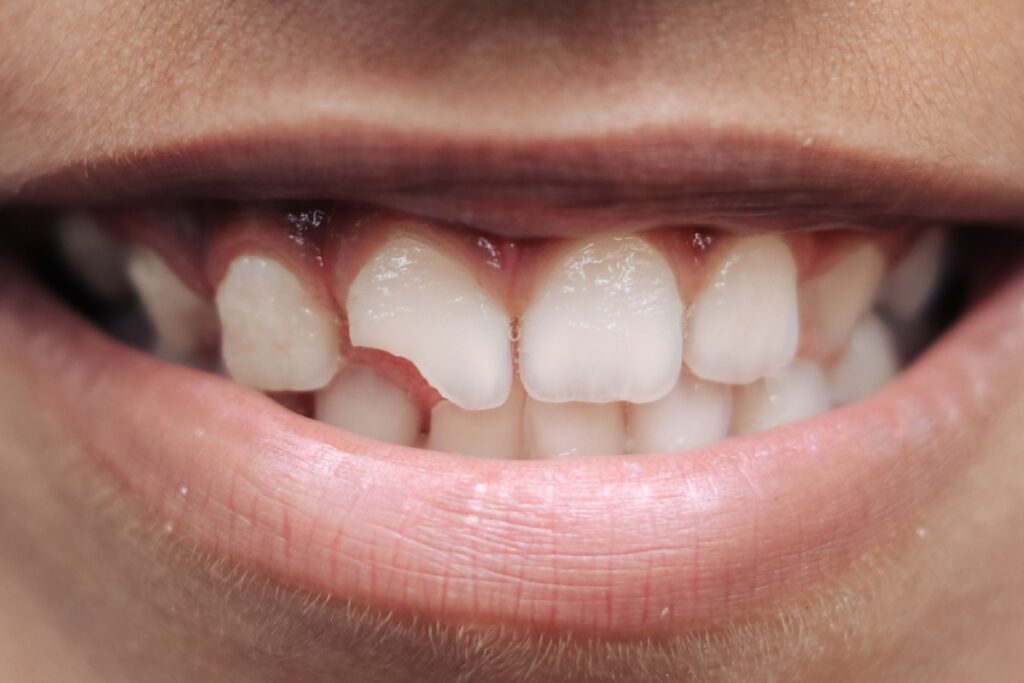
You bite into an apple and feel something hard in your mouth that doesn’t belong there. When you spit it out, you realize it’s a piece of your tooth. Your heart starts racing as you wonder whether you need to drop everything and rush to Arch Dental or if you can wait for a regular dental check-up.
A chipped tooth becomes a dental emergency when you experience severe pain, bleeding, swelling, or when the damage exposes the tooth’s inner layers. Minor cosmetic chips without pain can often wait for a regular appointment, but certain symptoms require immediate attention from your dentist.
What Counts as a Chipped Tooth
Tooth chips vary in severity:
Minor chips affect only the outer enamel, creating small rough spots or tiny cracks. These often happen from biting hard foods like popcorn kernels or ice cubes.
Moderate chips involve larger pieces breaking off, leaving visible holes or sharp edges that you can feel with your tongue.
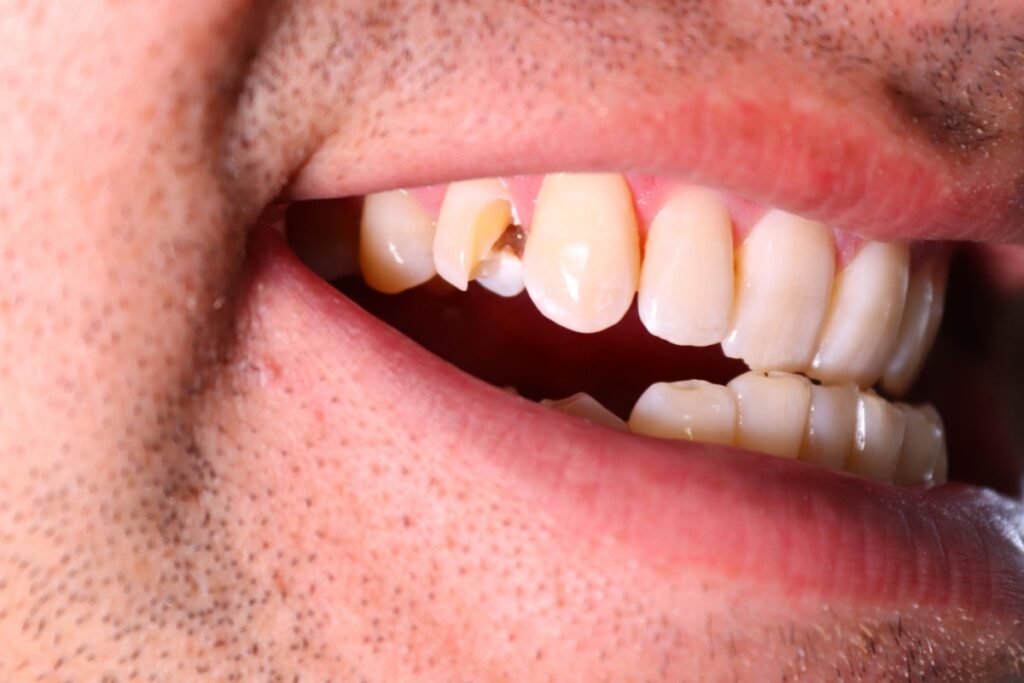
Severe chips reach deep into the tooth, potentially exposing the pulp (nerve) or affecting the root. These create immediate pain and infection risk.
When to Seek Treatment
Your chipped tooth’s urgency depends on your symptoms:
Emergency (Call immediately – same day)
Severe, constant pain indicates the damage may have reached your tooth’s nerve. This type of throbbing pain often worsens over time and might keep you awake at night or interfere with your daily activities.
Bleeding that won’t stop after 10 minutes of gentle pressure suggests injury to your gums or significant trauma inside your mouth.
Visible swelling around the tooth, gum, or jaw signals potential infection or trauma to surrounding tissues. You might notice the area feeling puffy or tender to touch.
Exposed pink or red tissue inside the tooth means the chip has reached the pulp, putting you at high risk for infection.
Urgent (Call within 24 hours)
Sharp pain when biting down indicates an unstable fracture that moves when you apply pressure.
Sudden sensitivity to hot or cold temperatures means the chip has likely exposed inner layers of your tooth. You might feel sharp, shooting pain when you drink coffee or eat ice cream, even if the liquid doesn’t directly touch the damaged area.
Large visible chips with sharp edges that cut your tongue or cheek need attention to prevent soft tissue injury and further damage.
Non-urgent (Schedule regular appointment)
Small cosmetic chips without pain can typically wait a few days for treatment. These tiny imperfections might bother you when you look in the mirror, but they don’t threaten your oral health immediately.
Smooth-edged chips that don’t cause sensitivity when eating, drinking, or brushing can usually wait for a scheduled appointment. You can function normally without pain or risk of further damage.
What to Do If Your Tooth Chips After Hours
If your chip happens outside office hours and involves severe pain, bleeding, or exposed pulp, you may need immediate care.
Go to the emergency room if:
- You have facial trauma or jaw injury accompanying the chip
- Bleeding won’t stop after 10 minutes of gentle pressure
- You can’t close your mouth normally
- You have difficulty breathing or swallowing
For dental-only emergencies: Call your dentist’s after-hours emergency line. Many dental practices have emergency contacts for urgent situations that can’t wait until morning. They can provide guidance and pain management advice until you can be seen.
Save the broken piece: If you can find the chipped fragment, rinse it gently with water and store it in a small container with milk or your saliva. Bring it to your appointment, as in some cases your dentist may be able to reattach it.
How to Care for Minor Chips at Home
DO:
- Rinse your mouth gently with warm salt water several times a day to keep the area clean and reduce bacteria. Mix half a teaspoon of salt in a cup of warm water and swish it around for about 30 seconds.
- Take over-the-counter pain relievers like ibuprofen or acetaminophen if you experience discomfort. Follow the package directions for proper dosing.
- Apply dental wax to any sharp edges that irritate your tongue or cheek. You can find this wax at most pharmacies, and it provides a smooth barrier between the damaged tooth and your soft tissues.
- If you need to eat, stick to soft foods and chew on the opposite side of your mouth.
- Apply a cold compress to the outside of your cheek if swelling develops.
DON’T:
- Use aspirin directly on your gums as it causes chemical burns to soft tissue.
- Try to glue or reattach the piece yourself with household adhesives.
- Ignore pain that gets worse over time, even if it starts as mild discomfort.
- Eat hard, crunchy, or sticky foods that could cause further damage to the weakened tooth.
What Happens During Your Dental Visit
Your Toronto dentist starts by taking X-rays to see the full extent of the damage, including any cracks or fractures that aren’t visible from the surface. These images help reveal whether the chip has affected the tooth’s root or if there are additional problems that need attention.
The dentist then assesses your tooth’s structural integrity by gently tapping on it and checking how it responds to temperature changes. This examination helps determine whether the nerve inside your tooth has been damaged and what type of repair you’ll need.
After the examination, the dentist discusses your repair options and explains which approach works for your specific situation. The treatment plan depends on the size and location of the chip, as well as your tooth’s overall health.
Common Repair Methods for Chipped Teeth
Dental Bonding
Bonding works well for small to moderate chips. Your dentist applies a tooth-colored resin material to rebuild the missing portion, then shapes and polishes it to match your natural teeth. This process usually takes one appointment.
Dental Crowns
Crowns become necessary when larger chips compromise your tooth’s strength. Your dentist shapes your tooth and places a custom-made cap that restores both function and appearance. This typically requires two visits.
Veneers
For front teeth with visible cosmetic damage, veneers provide a thin porcelain shell that covers the tooth’s front surface. This option works well when the chip affects your smile’s appearance.
Root Canal Treatment
If the chip exposes or damages the tooth’s pulp, you may need root canal treatment before restoration. Your dentist removes the damaged nerve tissue, cleans the inside of the tooth, and seals it to prevent infection.
How to Prevent Future Tooth Chips
Avoid chewing on ice cubes, hard candies, or non-food items like pens and pencils. These habits put unnecessary stress on your teeth and increase your risk of chips and cracks, especially if you have older dental work or naturally weaker enamel.
Wear protective mouthguards during sports activities, even for non-contact sports where falls or equipment contact can happen. Custom-fitted guards provide the protection and comfort, but even over-the-counter options offer significant protection.
Schedule regular Toronto teeth cleaning appointments to keep your teeth strong and catch small problems before they become big ones. These visits help maintain your oral health and give your dentist a chance to spot early signs of tooth weakness or damage.
When you’re dealing with a chipped tooth, Arch Dental can help you determine whether you need immediate care or can wait for a regular appointment. Contact our practice to discuss your symptoms and get the appropriate treatment for your situation.