
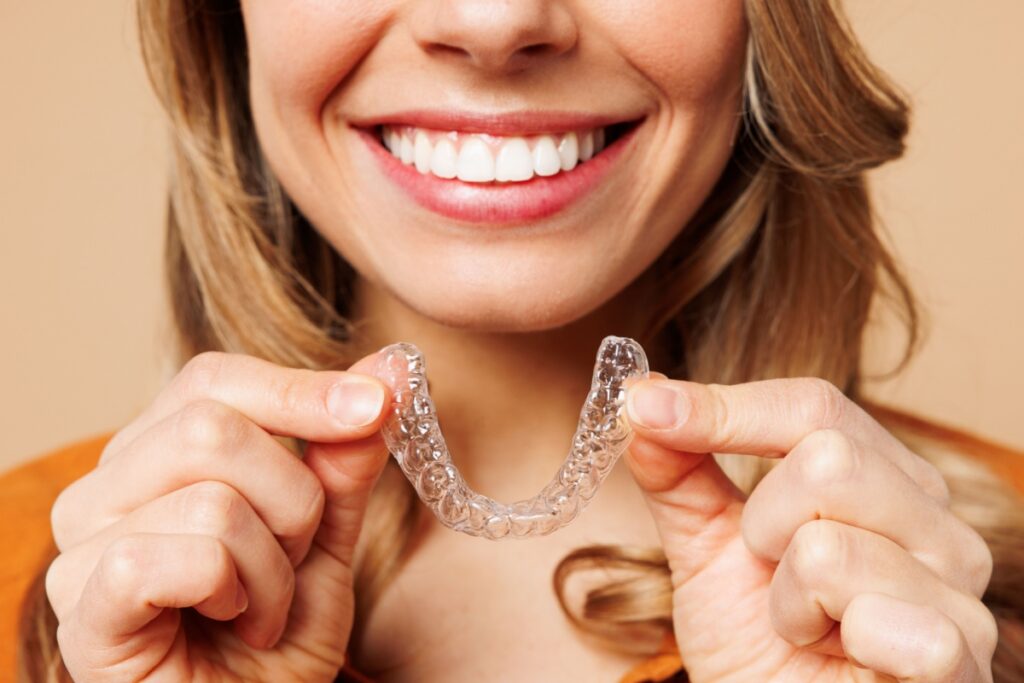
You’ve just switched to a new set of Invisalign aligners, and that familiar tight sensation has returned. Your teeth feel like they’re being gently squeezed, and you might wonder if something’s wrong with your treatment. At Arch Dental, patients often ask about this common experience during their Invisalign treatment.
Yes, it’s common for Invisalign to feel tight, especially during the first few days with new aligners. This tightness can indicate that your treatment is working as planned, gradually moving your teeth into their proper positions. However, if you feel sharp pain or the trays aren’t fitting over your teeth, it’s a good idea to schedule an appointment with your dentist.
Why Your Invisalign Feels Tight
Your aligners work by applying controlled pressure to specific teeth. Each new tray is designed slightly differently from the previous one, creating the gradual movements needed for your treatment plan.
When you switch to fresh aligners, they don’t fit your current tooth positions perfectly. This shape creates the gentle force that guides your teeth into new positions over the next 2 weeks, until you switch to the next set of trays. Orthodontic treatment relies on this consistent pressure to achieve the pre-planned tooth positions.
Tightness often means the aligners are applying the pressure needed for tooth movement. Your teeth respond to this consistent pressure by gradually shifting, which is exactly what needs to happen for successful treatment.
When Tightness Is Normal & Expected
First Few Days with New Aligners
You’ll typically notice the most pressure during the first 48 to 72 hours with each new set. Your teeth need time to begin their movement and adjust to the new positioning requirements.
For many patients, this initial discomfort usually feels like a dull ache or pressure sensation rather than sharp pain. Many find that the tightness decreases significantly after the third day as their teeth begin to adapt.
After Treatment Breaks
If you’ve skipped wearing your aligners for a day or more, you might notice extra tightness when you put them back in. Your teeth can shift slightly back toward their original positions during breaks in treatment.
This temporary increase in pressure reminds you why consistent wear matters. Sticking to your recommended 20–22 hours daily helps prevent these uncomfortable readjustment periods. Your treatment length depends partly on maintaining this consistent schedule.
How to Manage Invisalign Tightness
Over-the-counter pain relievers like ibuprofen can help during the first few days with new aligners. Taking medication about 30 minutes before switching to new trays can reduce initial discomfort.
Cold drinks, ice water, or sugar-free popsicles can numb mild soreness and help reduce swelling around your gums. The cold temperature provides temporary relief while your mouth adjusts.
It’s a good idea to choose softer foods during the first few days of each new aligner set. Yogurt, smoothies, pasta, and cooked vegetables tend to require less chewing force and put less pressure on sensitive teeth. Don’t forget to take out your aligners before eating any food.
Signs You Should Contact Your Dentist
Sharp Pain or Discomfort
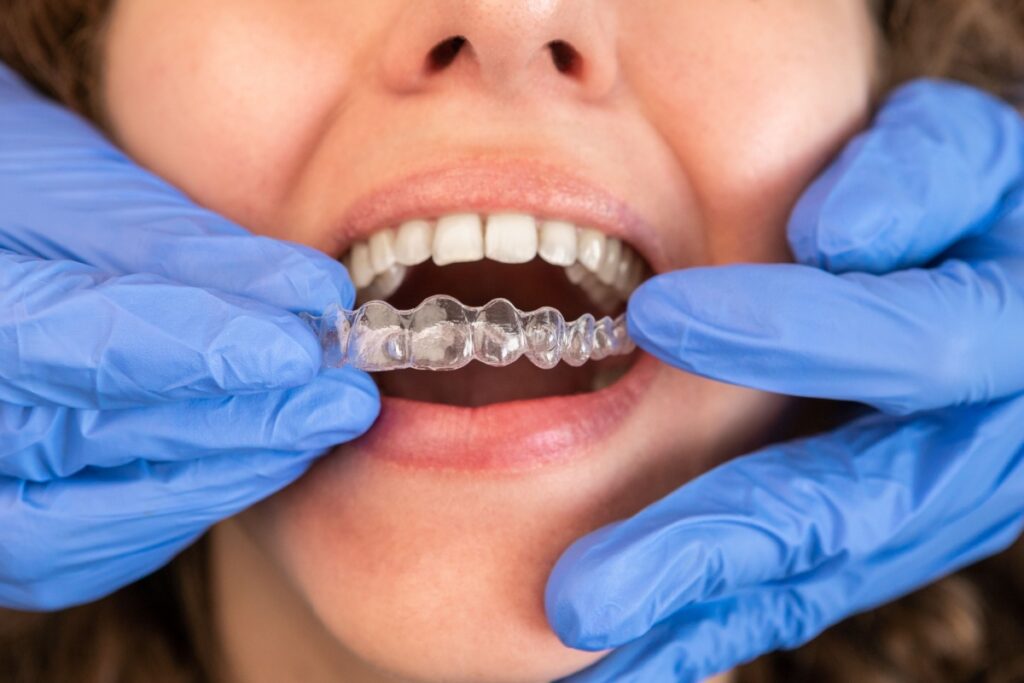
Sharp, stabbing pain usually calls for attention, as your aligners should create mild discomfort, not intense pain that interferes with daily activities. If you experience intense discomfort, it’s likely a sign that your teeth need an extra look from our team.
Broken or Cracked Aligners
Cracked or broken aligners can’t apply proper pressure and might create uneven forces on your teeth. Damaged trays need immediate replacement to keep your treatment on track.
Aligners That Won’t Fit Properly
If your new aligners feel impossibly tight or won’t seat properly despite gentle pressure, contact your dentist. This might indicate that your teeth haven’t moved as expected, which may require adjustments to the planned treatment.
Tips for Comfortable Invisalign Treatment
Consistent wear prevents your teeth from shifting back between aligner changes. Keeping your trays in for the recommended 20–22 hours daily reduces the adjustment period with each new set.
Other Tips and the Role of Cleanings
Switch to new aligners right before bedtime when possible. You’ll sleep through the initial hours of pressure and often wake up with the tightness already fading.
Regular teeth cleaning appointments help support your gums throughout treatment, which is important because healthy gums respond better to tooth movement and experience less inflammation during the process.
Schedule Your Appointment
The tightness you feel from your Invisalign aligners often indicates that your treatment is progressing as planned. If you’re experiencing concerning pain or have questions about your comfort level, our team at Arch King West Dental can evaluate your progress and provide guidance.
Schedule an appointment at one of our two Toronto locations to help your Invisalign treatment continue smoothly and comfortably.